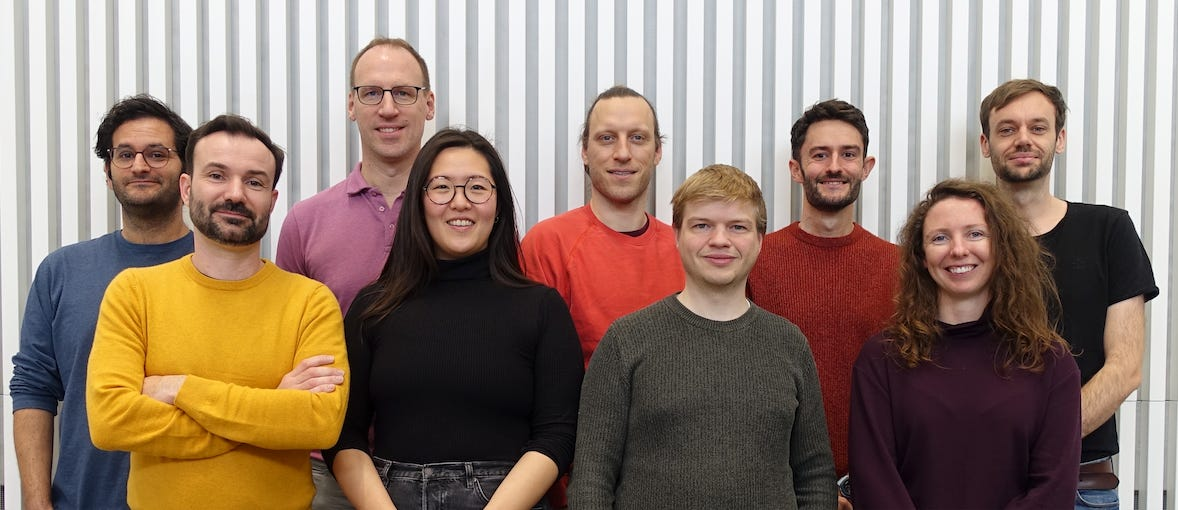
A few impressions of the Snijder Lab rolling up their sleeves to paint pottery and chop sticks.
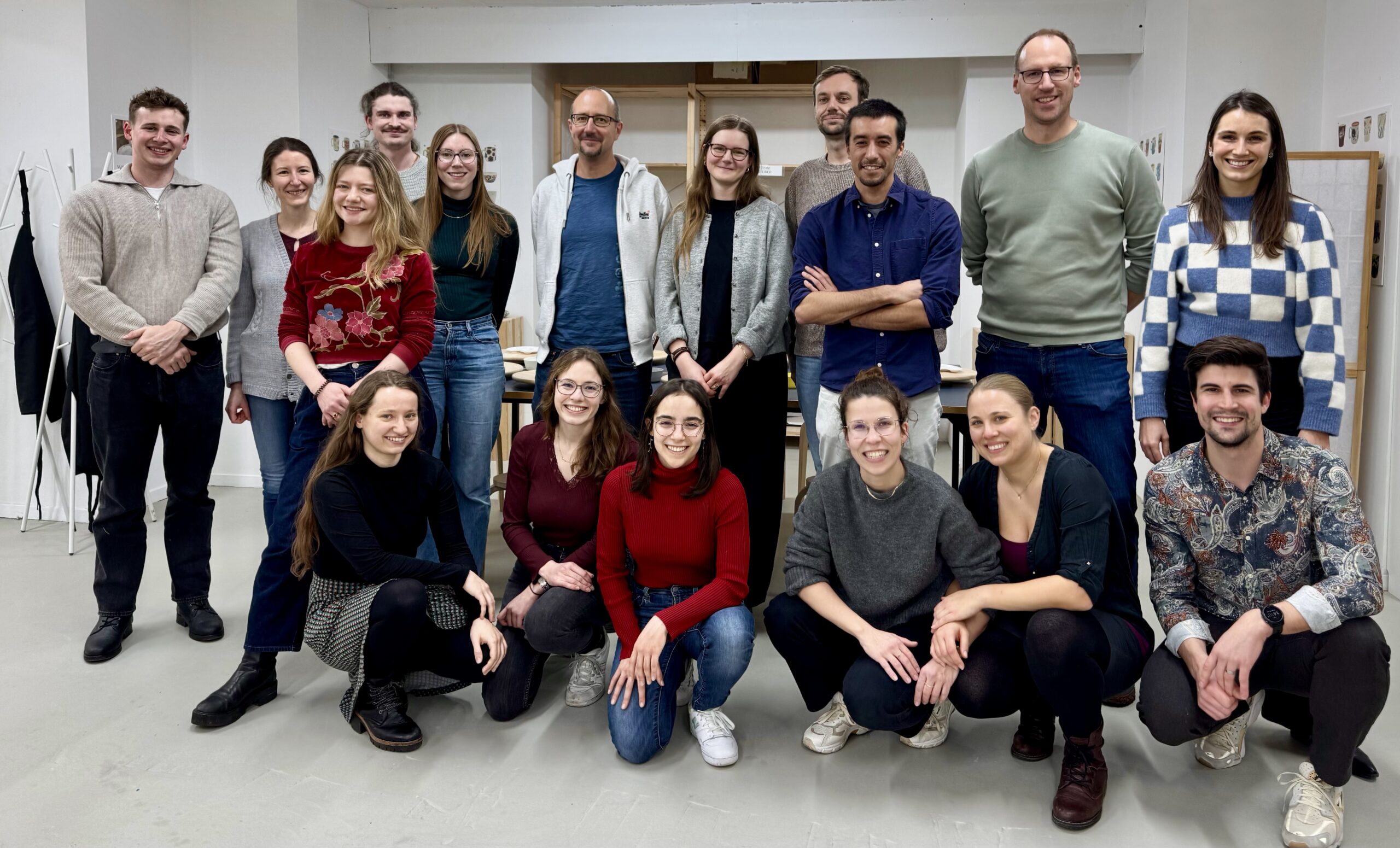

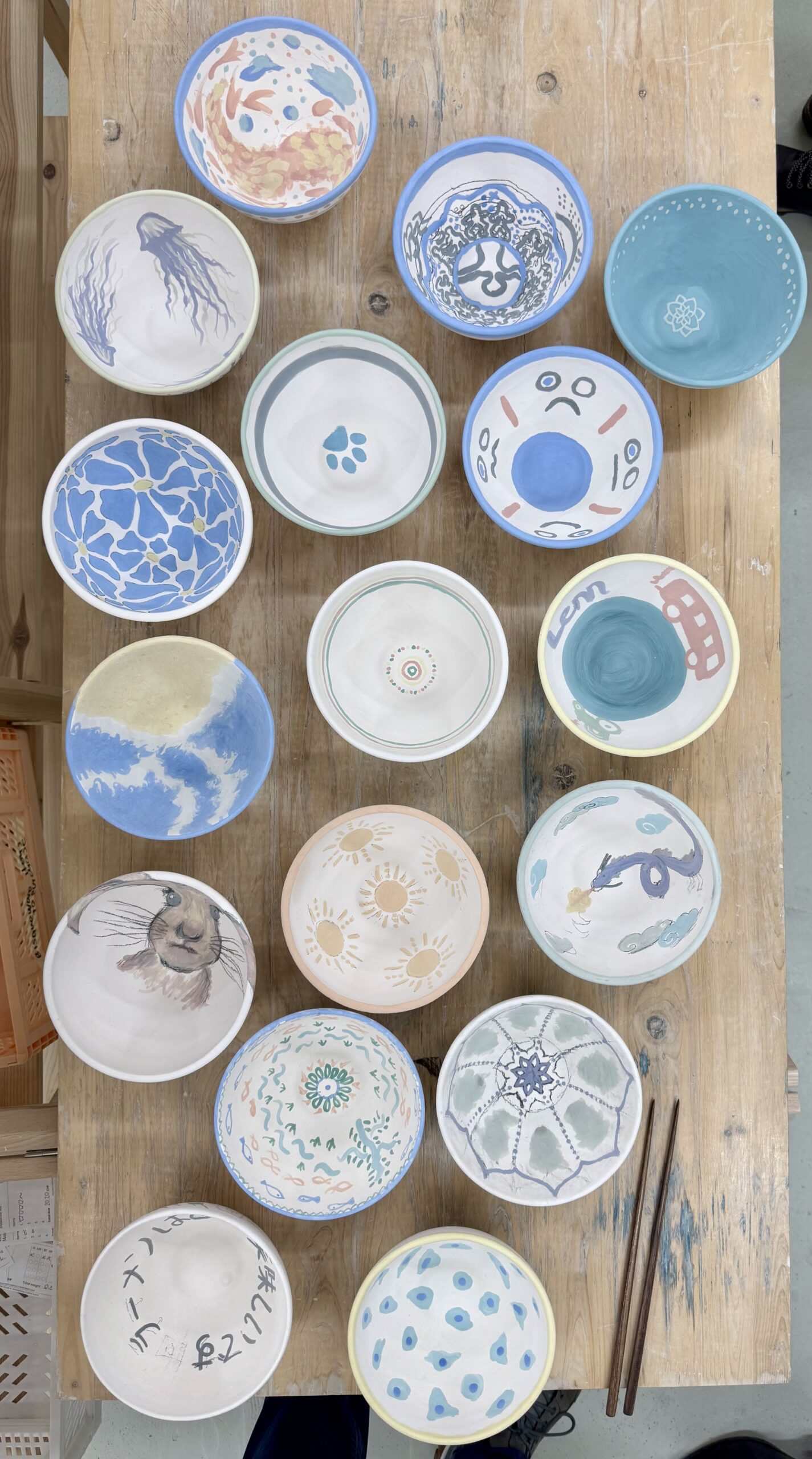
A few impressions of the Snijder Lab rolling up their sleeves to paint pottery and chop sticks.
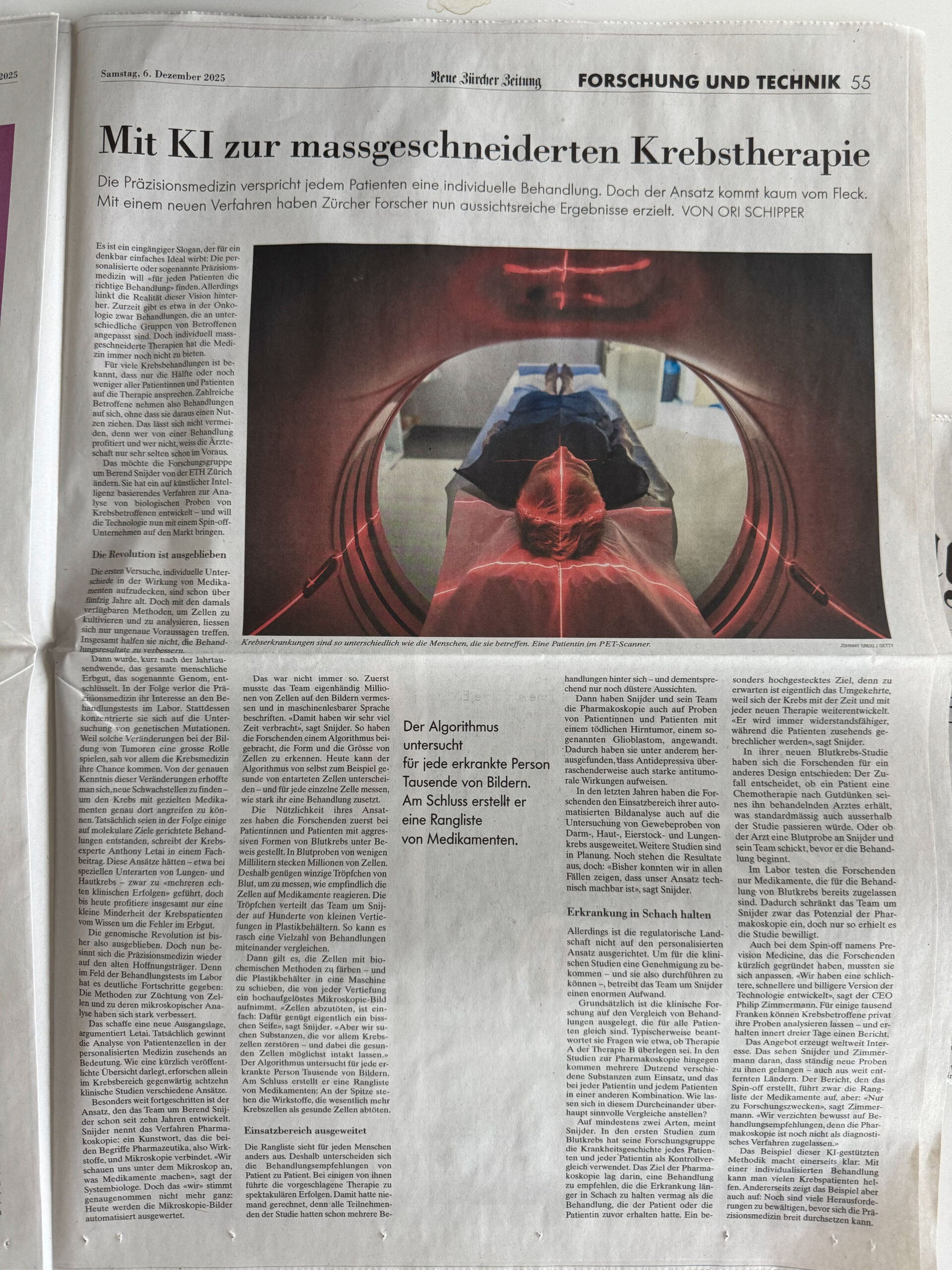
In an absolute first, a major Swiss newspaper, the Neue Zurcher Zeitung, just published a full-page article on the history of Pharmacoscopy, the Snijder lab, and it’s spin-off, Prevision Medicine. The article, written by Ori Schipper, is easily the most accessible explanation of pharmacoscopy to date (🇩🇪).
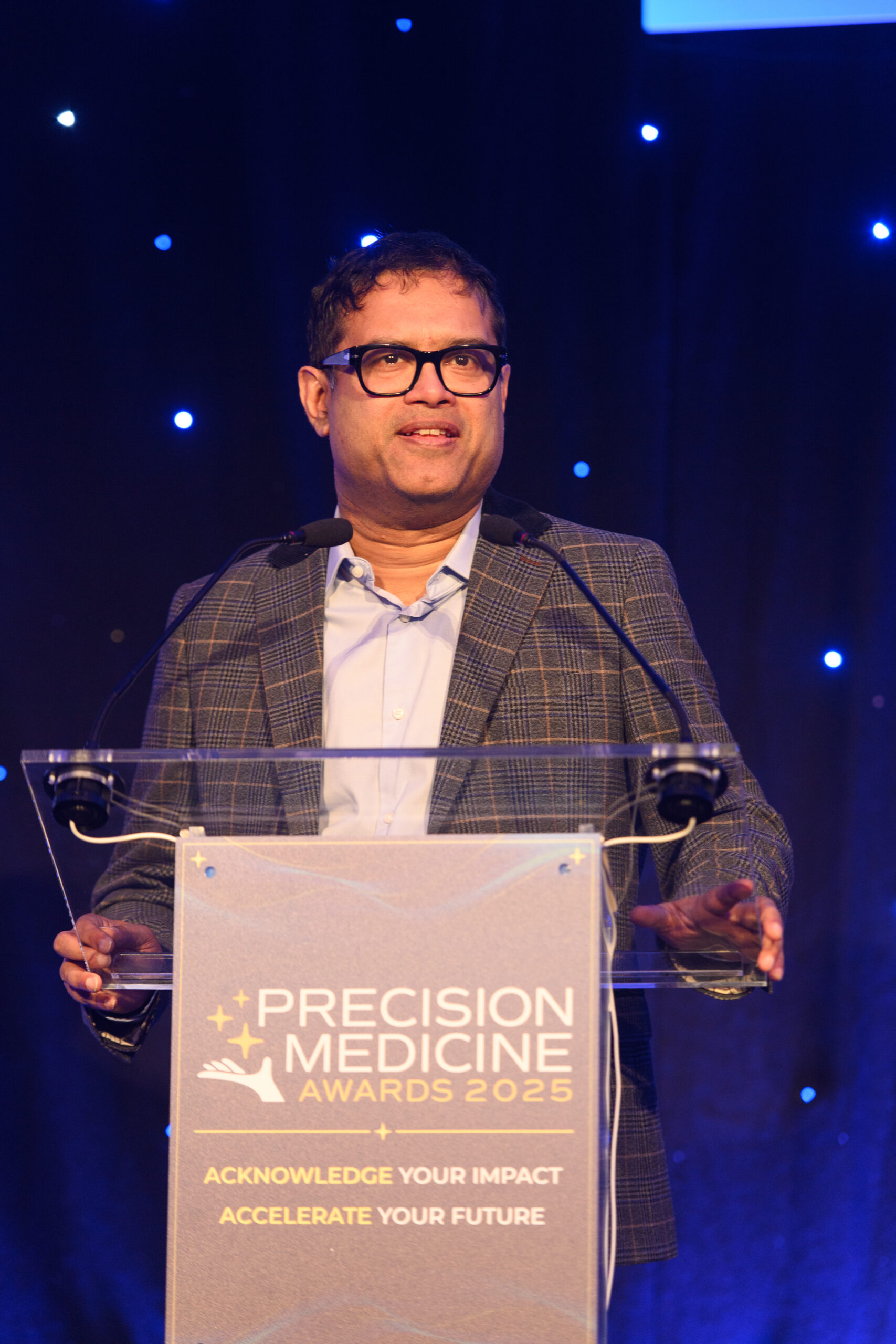
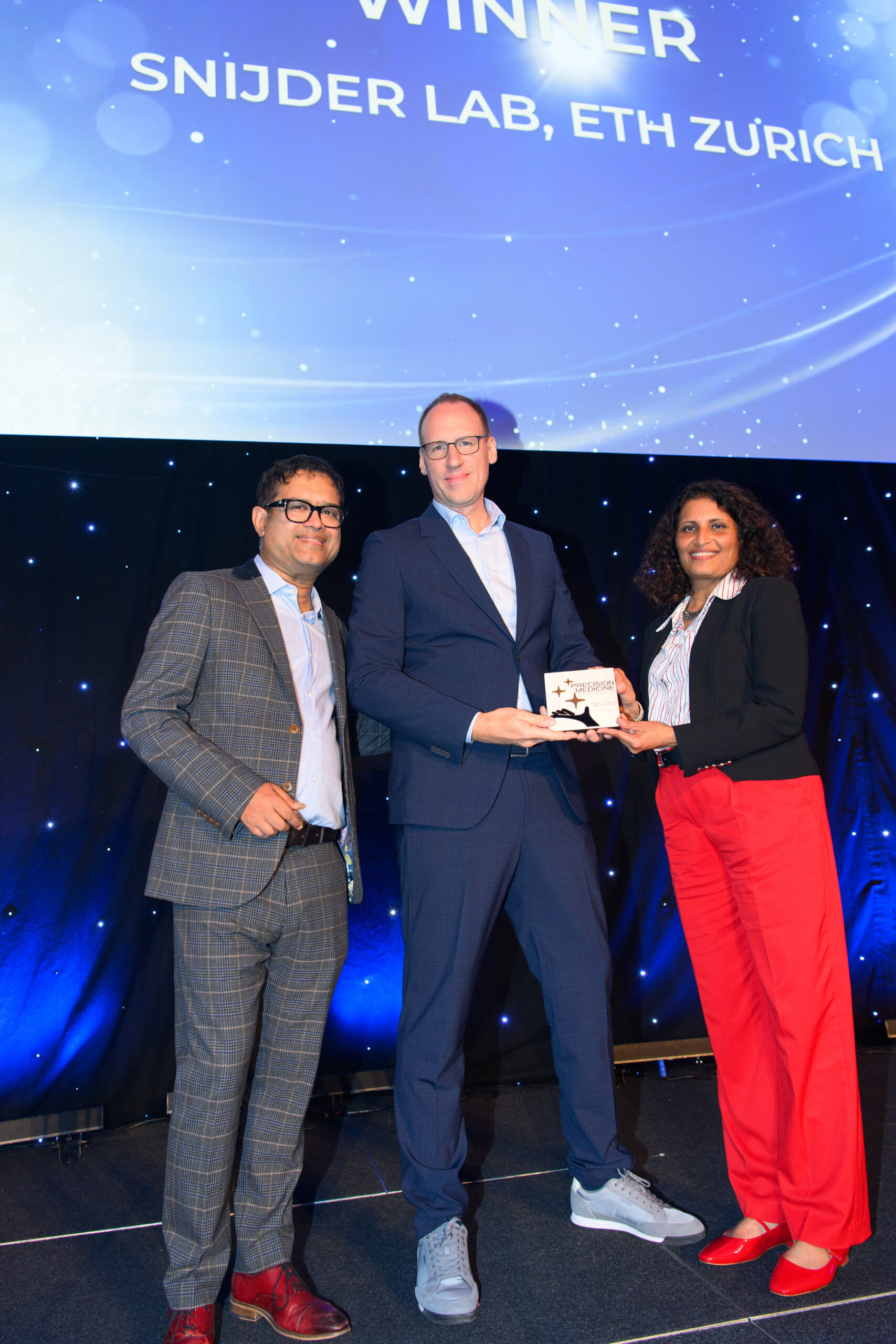
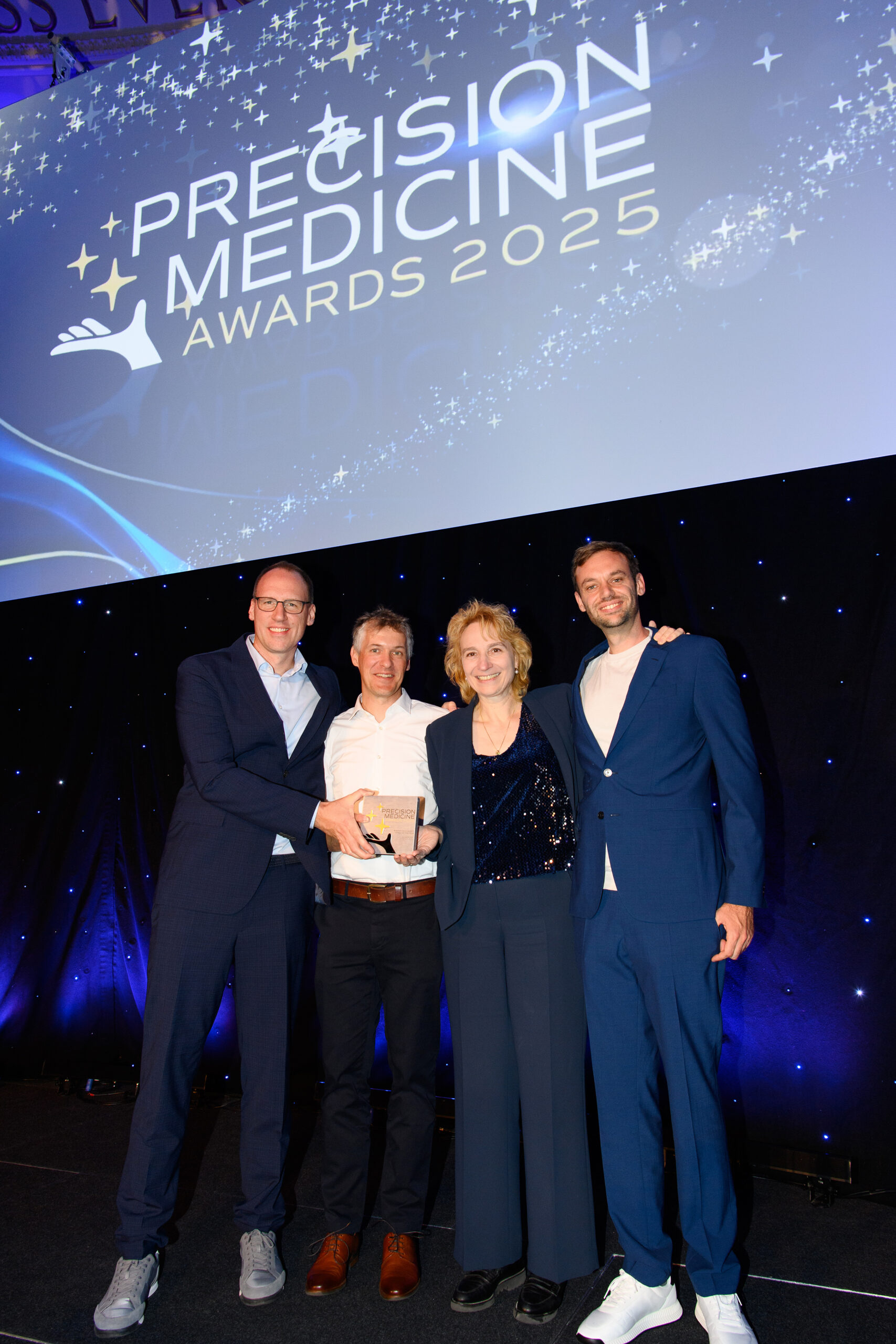
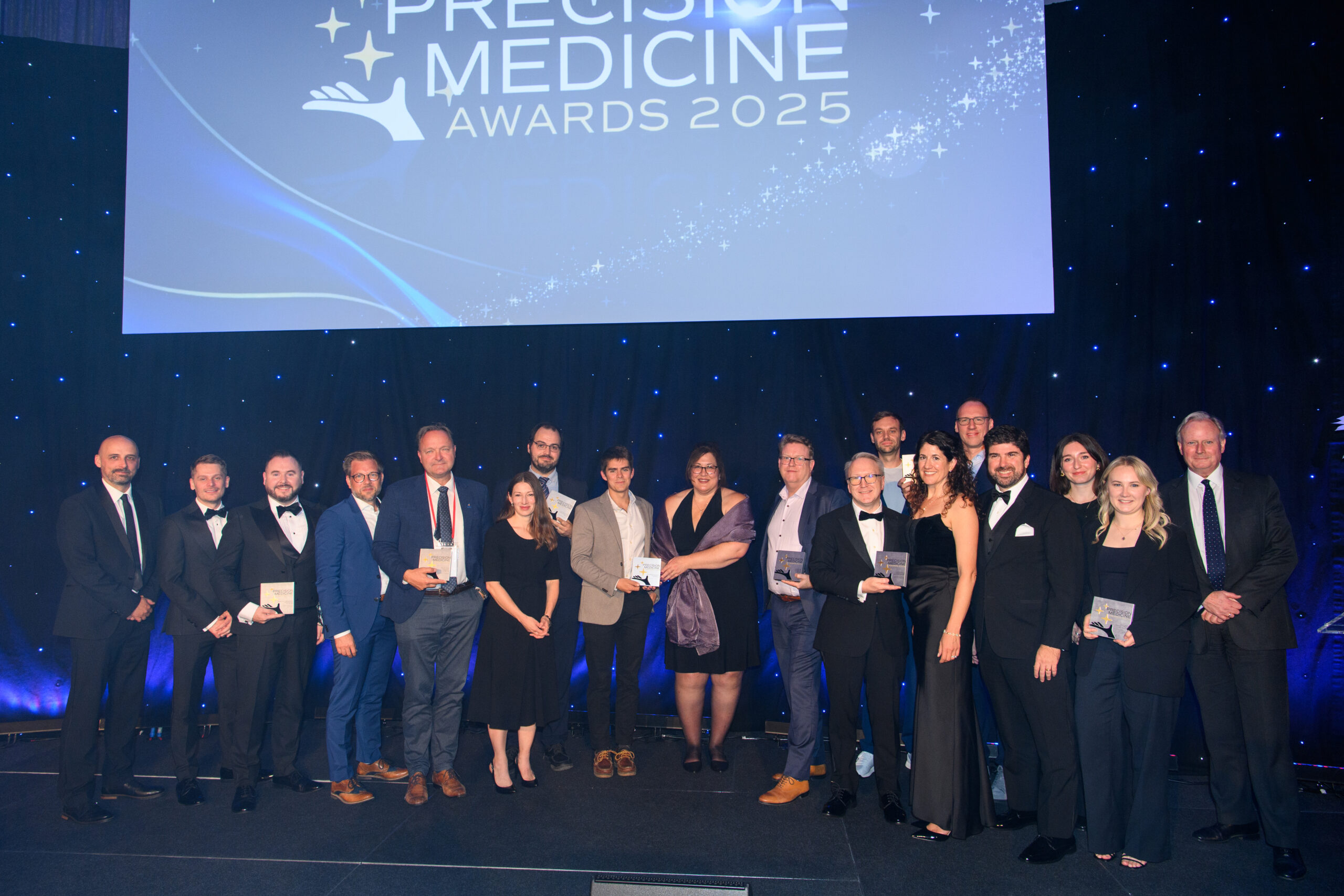
And the Precision Medicine Award 2025 goes to… the Snijder Lab & Pharmacoscopy 🤩 For Biggest Technology Impact of the year!

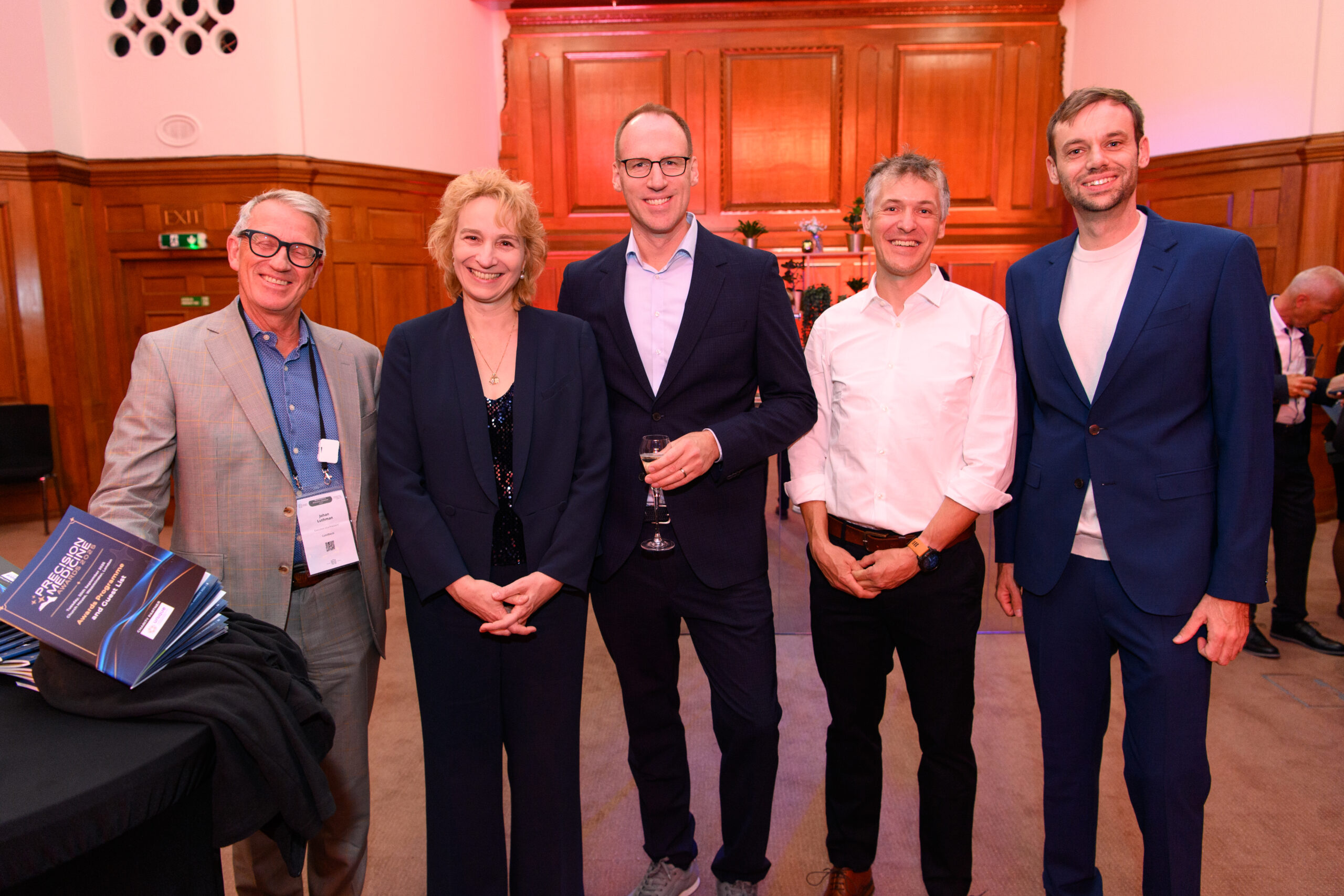
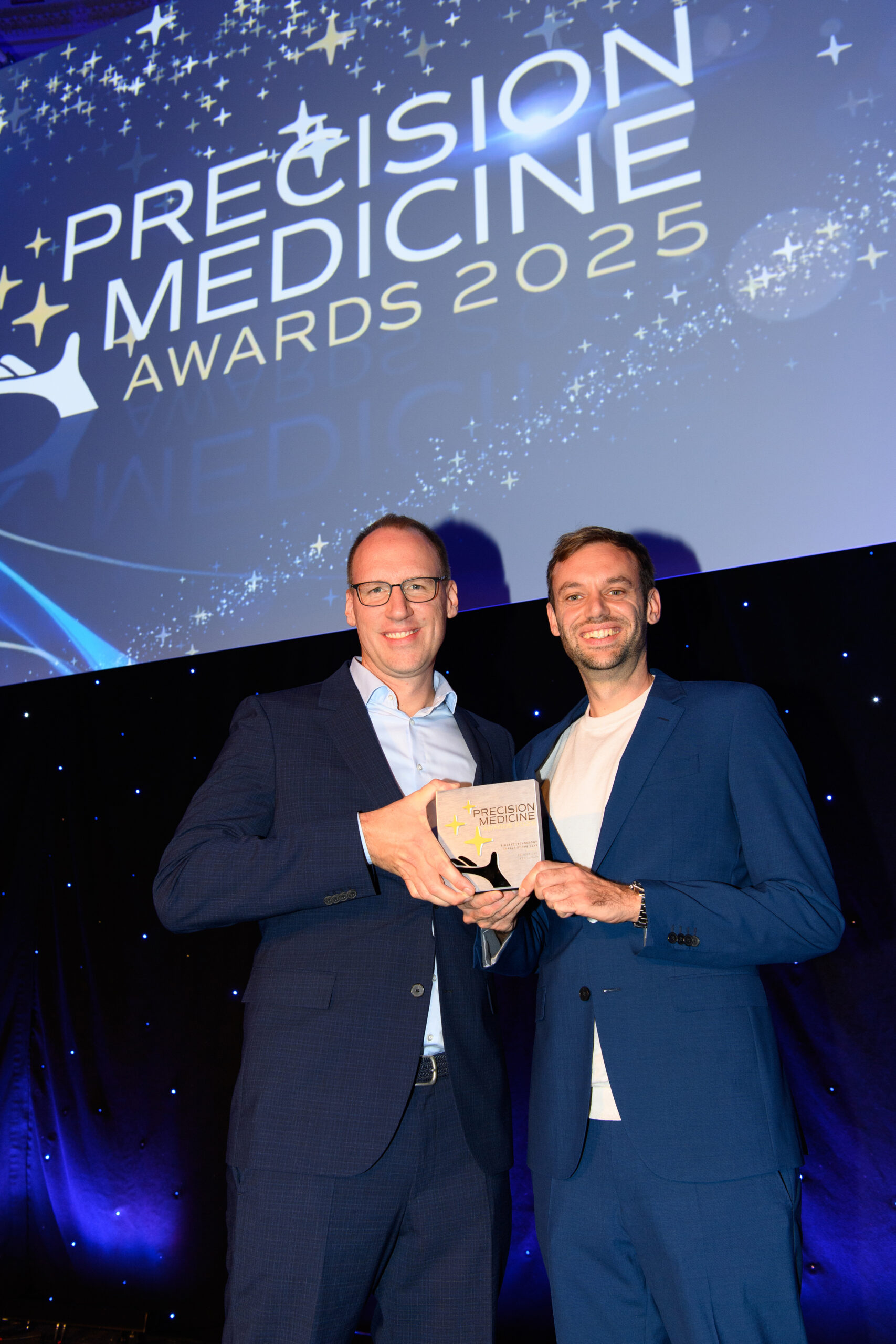
🙏 Thank you Oxford Global and the international judges for this amazing recognition of our team effort to advance precision medicine by Pharmacoscopy. Another award that goes to the lab members past and present, our many wonderful clinical and research collaborators, our funders, and the patients and their loved ones for their trust and courage.
Also, a shout-out to Prevision Medicine and Graph Therapeutics for carrying the torch forward in precision oncology and immunology, respectively!



I’m proud to say that, together with a fantastic team of people, we have now launched Prevision Medicine as an ETH spinoff to help identify effective cancer therapies for all patients in need. Prevision provides access to and further develops our Pharmacoscopy platform, which identifies effective cancer therapies directly on patient biopsies.
Pharmacoscopy-guided therapy has been demonstrated to be effective in multiple interventional clinical studies (EXALT-1 and DARTT-1), and is currently actively investigated in several randomized clinical trials. This represents a significant milestone for the field of functional precision medicine, instilling hope for the future of precision treatments for cancer patients.
I’m honored to have been awarded the Ernst Th. Jucker Prize 🏅 for our work advancing Precision Medicine – with this I join a fantastic list of past awardees. At the risk of being repetitive, I have my amazing team to thank for this cool award- thank you snijderlab members past and present 🙏!
The prize, named after Dr. Ernst Th. Jucker, honors outstanding contributions to cancer research. Dr. Ernst Jucker was a practicing physician and surgeon in the municipality of Thalwil in the canton of Zurich. He and his wife Alice transferred their inheritance to a foundation that provides an annual sum to the Faculty of Medicine of the University of Zurich (Ernst Jucker’s alma mater) to fund the prize.
I’ll give a public lecture with the award ceremony on the 30th of June 2025 – join if you’re in the neighborhood and curious to hear more about our work:
https://www.bioc.uzh.ch/en/calendar-of-events/agenda.html?event=63343
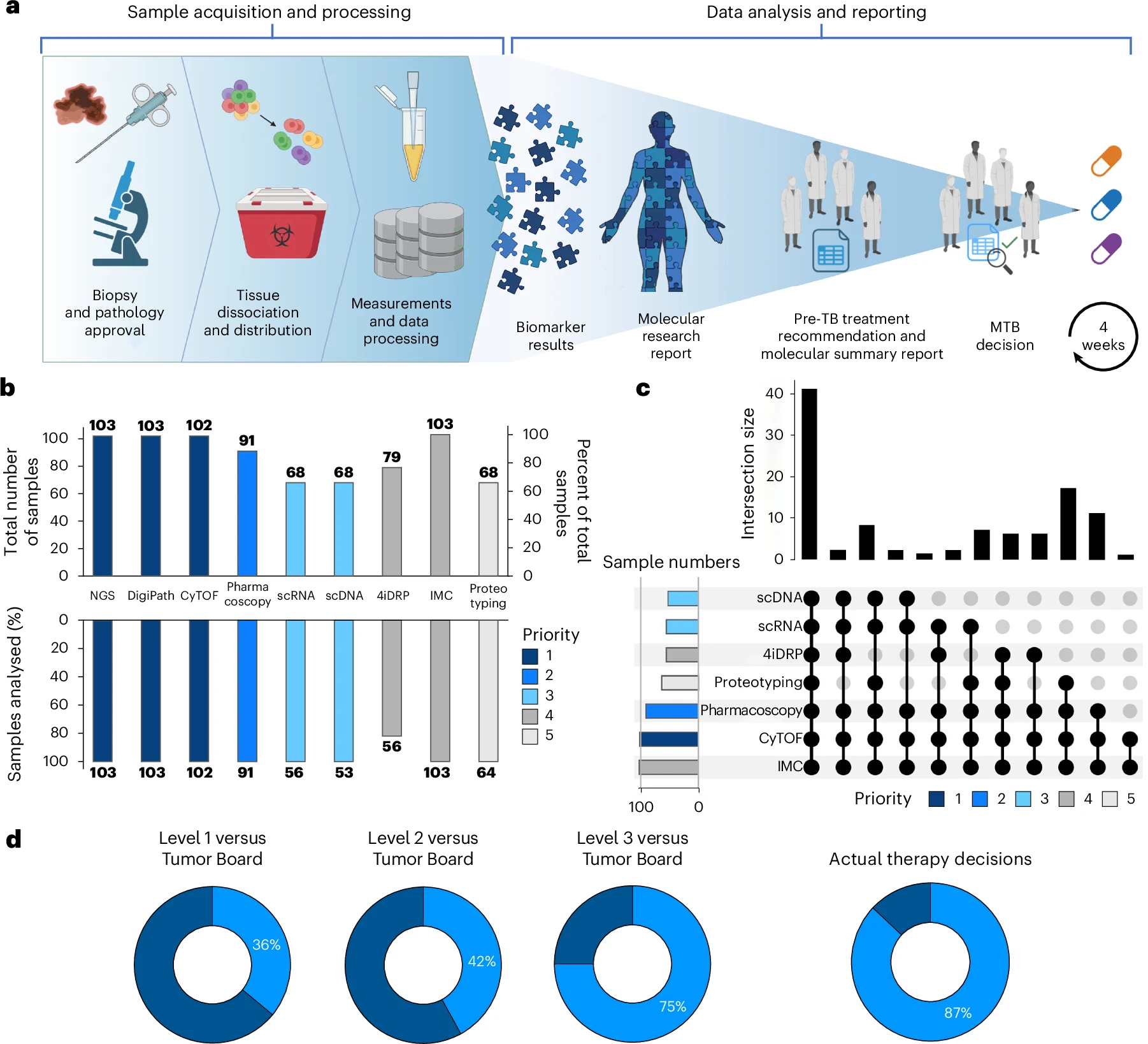
I am delighted to share that parts of our long-running Tumor Profiler study were published in Nature Medicine! Specifically, this paper provides a clinical utility analysis of the melanoma (skin cancer) subcohort, with the analysis led by the team of Andreas Wicki at the University Hospital Zurich.
We find that multi-omic molecular and functional profiling of tumors from patients with melanoma was feasible, returning data within four weeks and informing treatment recommendations in 75% of cases.
For more information, check out the news item at the ETH Zurich and the Tumor Profiler website.
I’m delighted to say the Snijder Lab will continue it’s scientific journey at the amazing new Botnar Institute of Immune Engineering dedicated to transforming global child health through immune engineering. I’m incredibly excited about this new part of our discovery journey, and am grateful to all the support from many that have made this possible.
Graph Therapeutics (Graph Tx) raises a 3.1M euro pre-seed round to improve improve the lives of patients with immune-mediated diseases through Al-driven precision medicine.
Graph Tx is based on the veteran techbio team that previously pioneered AI-driven precision oncology in Allcyte, which was acquired by Exscientia for 60M USD. The team now reunites to tackle the critical and complex challenges of inflammatory and immunological diseases.
Graph uses perturbation modeling from primary patient cell samples combined with multi-omics data to deliver transformative targeted therapies & biomarkers for immune-driven diseases.
Now out in Nature Medicine✨ Our discovery that an antidepressant (Vortioxetine) is effective against the aggressive primary brain tumor #glioblastoma in patient tissues (ex vivo) and in mouse models.
There’s a lot to unpack here:
👉 Pharmacoscopy predicts clinical response to chemotherapy in glioblastoma, enabling screening of existing neuro-active drugs.
👉 COSTAR: Graph-based in silico drug and mechanism-of-action discovery.
👉 A neural glioblastoma vulnerability on which multiple neuroactive drugs converge.
💫 Most importantly, clinical trials testing Vortioxetine in combination with standard of care are in preparation.
The work was driven by the amazing Dr. Sohyon Lee (starting her own lab at KAIST soon!) and in very close collaboration with Tobias Weiss and Michael Weller from the Universitätsspital Zürich (and many others!). Thank you to the patients and their families for supporting this study, to the key funders European Research Council (ERC) and PHRT – Personalized Health and Related Technologies, and to the many people who have supported and contributed to this study.
For patients or clinicians looking for information on the Vortioxetine clinical trial, please contact Prof. Dr. Michael Weller.
The news response has been quite neat (although not always accurate), some links: